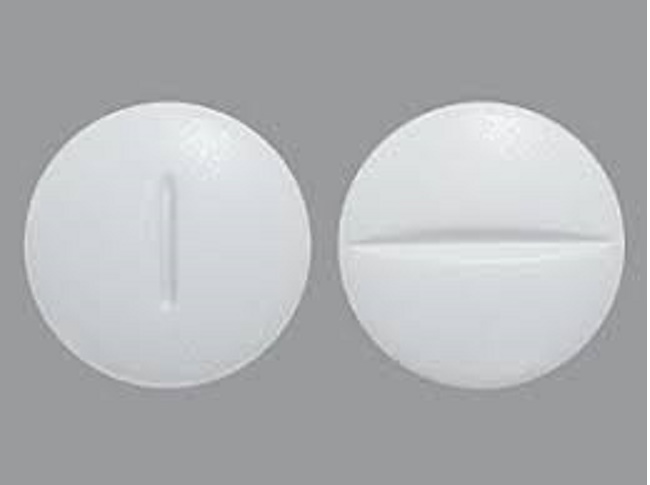
Desmopressin which is sold under the trade name DDAVP among others, is a medication used to treat, bedwetting (nocturnal enuresis), diabetes insipidus, hemophilia A, von Willebrand disease, and high blood urea levels.
Desmopressin is a man-made form of a hormone that occurs naturally in the pituitary gland and regulates how the body uses water.it is used to treat nocturnal enuresis also known as bedwetting. usually prescribed in the form of desmopressin acetate, by mouth.it also has some benefit for adults who have problems with night time urination (nocturia). Nocturia is a condition in which you wake up during the night because you have to urinate.kindly note frequent night time urination can have causes that aren’t due to underlying disease. Examples include drinking too much liquid close to bed time, pregnancy or ageing. Desmopressin is also the first line treatment for mild to moderate type 1 von Willebrand disease. Also used in the treatment of central diabetes insipidus (DI) as a replacement for endogenous antidiuretic hormone (ADH) that is in insufficient quantity due to decreased or non-existent secretion or production of ADH by the posterior pituitary or hypothalamus hormones, respectively.
How to use:
For treatment of bedwetting
Adults and children 6 years of age or older—At first, 0.2 milligram (mg) as a single dose at bedtime. Your doctor may adjust your dose as needed. However, the dose is usually not more than 0.6 mg per day.
Children younger than 6 years of age—Use and dose must be determined by your doctor.
Children should limit the water and other fluids they drink after dinner, especially 1 hour before the desmopressin dose until the next morning, or at least 8 hours after the dose. If your child wakes up during the night, limit the amount that your child drinks.
For treatment of diabetes insipidus:
Adults and children 4 years of age and older—At first, 0.05 milligram (mg) 2 times a day. Your doctor may adjust your dose as needed. However, the dose is usually not more than 1.2 mg per day.
Children younger than 4 years of age—Use and dose must be determined by your doctor.
Common side effects:
headaches, diarrhea, and low blood sodium. It should not be used in people with significant kidney problems or low blood sodium.

Reviews
There are no reviews yet.