
Vingraf 1mg (Tacrolimus): Complete Guide for Transplant Patients
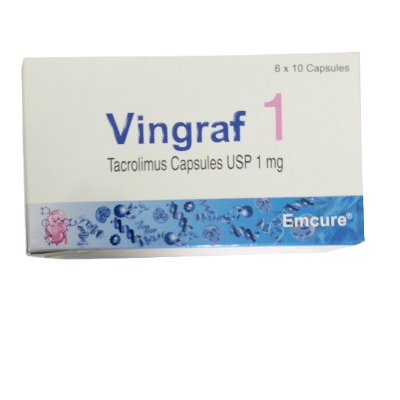
When it comes to protecting a transplanted organ, choosing the right immunosuppressive medication is critical. Vingraf 1mg (Tacrolimus) is a widely prescribed medicine used to prevent organ rejection after kidney, liver, and heart transplantation. Patients across the USA, Canada, United Kingdom, Australia, Germany, France, Switzerland, and other developed healthcare markets frequently search for reliable information about tacrolimus therapy, dosage, safety, and cost.
This comprehensive guide explains everything you need to know about Vingraf 1mg, including its benefits, uses, dosage, side effects, and important precautions.
What Is Vingraf 1mg?
Vingraf 1mg contains Tacrolimus 1mg, a powerful immunosuppressant medication that helps reduce the activity of the immune system. After an organ transplant, the body’s natural immune response may recognize the new organ as foreign and attempt to attack it.
Tacrolimus helps prevent this process, significantly reducing the risk of transplant rejection and improving long-term transplant success rates.
What Is Vingraf 1mg Used For?
Healthcare professionals prescribe Vingraf 1mg for:
Prevention of Organ Rejection
Vingraf is commonly used after:
- Kidney transplantation
- Liver transplantation
- Heart transplantation
Long-Term Immunosuppressive Therapy
Many transplant recipients require lifelong immunosuppressive treatment to maintain organ function and prevent rejection episodes.
Combination Therapy
Doctors often prescribe tacrolimus alongside:
- Corticosteroids
- Mycophenolate mofetil
- Other transplant medications
This combination approach helps optimize transplant outcomes while reducing rejection risk.
How Does Tacrolimus Work?
Tacrolimus belongs to a class of medications known as calcineurin inhibitors.
It works by:
- Suppressing specific immune cells
- Reducing inflammatory responses
- Preventing immune attacks on transplanted organs
- Supporting long-term graft survival
This mechanism makes tacrolimus one of the most important medications in modern transplant medicine.
Benefits of Vingraf 1mg
Patients and transplant specialists value Vingraf because it offers several advantages:
Effective Rejection Prevention
Tacrolimus has become a standard treatment due to its proven effectiveness in reducing organ rejection.
Improved Transplant Survival
Proper use can help extend the life of transplanted organs and improve overall patient outcomes.
Flexible Dosing
Available in multiple strengths, tacrolimus allows healthcare providers to tailor treatment based on individual patient needs.
Widely Accepted Treatment
Tacrolimus is used extensively in advanced healthcare systems throughout North America, Europe, and Australia.
Recommended Dosage
The dosage of Vingraf 1mg varies depending on:
- Type of organ transplant
- Body weight
- Blood tacrolimus levels
- Kidney function
- Overall health status
Important Dosage Guidance
- Take exactly as prescribed.
- Take doses at the same time each day.
- Swallow capsules whole with water.
- Do not adjust dosage without medical supervision.
- Regular blood monitoring is essential.
Never stop taking tacrolimus suddenly, as this may increase the risk of organ rejection.
Possible Side Effects
Like all prescription medications, Vingraf may cause side effects.
Common Side Effects
- Headache
- Tremors
- Nausea
- Diarrhea
- High blood pressure
- Difficulty sleeping
Serious Side Effects
Seek medical attention if you experience:
- Severe infection symptoms
- Significant kidney problems
- Unusual bleeding
- Persistent fever
- Severe allergic reactions
- Changes in vision
Because tacrolimus suppresses the immune system, patients may be more susceptible to infections.
Important Precautions
Before starting Vingraf 1mg, discuss the following with your healthcare provider:
Kidney Function
Tacrolimus may affect kidney performance, requiring regular monitoring.
Drug Interactions
Certain medications can alter tacrolimus blood levels, including:
- Antibiotics
- Antifungal medications
- Blood pressure drugs
- Certain cholesterol medications
Pregnancy and Breastfeeding
Consult a transplant specialist before using tacrolimus during pregnancy or breastfeeding.
Infection Risk
Patients should avoid unnecessary exposure to infectious illnesses whenever possible.
Monitoring During Treatment
Regular monitoring is a crucial part of tacrolimus therapy.
Doctors may perform:
- Blood tacrolimus level testing
- Kidney function tests
- Liver function tests
- Blood pressure monitoring
- Blood sugar testing
These assessments help ensure safe and effective treatment.
Buying Vingraf 1mg Online
Patients searching for buy tacrolimus online, prescription transplant medication, or immunosuppressant treatment options should always purchase from licensed pharmacies.
Before purchasing:
- Verify pharmacy credentials
- Ensure a valid prescription is required
- Confirm product authenticity
- Check storage and shipping standards
This is particularly important for patients in high-value healthcare markets such as the United States, Canada, United Kingdom, Germany, Switzerland, and Australia.
Who Should Use Vingraf 1mg?
Vingraf 1mg is typically prescribed for:
- Kidney transplant recipients
- Liver transplant recipients
- Heart transplant recipients
- Patients requiring long-term immunosuppressive therapy
The medication should only be used under the supervision of a qualified healthcare professional experienced in transplant medicine.
Why Vingraf 1mg Remains a Trusted Choice
Tacrolimus remains one of the most widely prescribed immunosuppressive medications worldwide due to its proven effectiveness in reducing organ rejection and supporting long-term transplant success.
For transplant patients, adherence to prescribed therapy is one of the most important factors in maintaining a healthy and functioning transplanted organ.
Frequently Asked Questions (FAQ Schema Style)
What is Vingraf 1mg used for?
Vingraf 1mg contains tacrolimus and is primarily used to prevent organ rejection after kidney, liver, or heart transplantation.
How should I take Vingraf 1mg?
Take Vingraf exactly as prescribed by your healthcare provider, usually at the same times every day, with regular monitoring of blood levels.
Can Vingraf 1mg be taken long-term?
Yes. Many transplant patients require long-term or lifelong tacrolimus therapy to maintain transplant success.
What are the common side effects of tacrolimus?
Common side effects include headache, tremors, nausea, diarrhea, insomnia, and high blood pressure.
Does Vingraf 1mg require a prescription?
Yes. Vingraf 1mg is a prescription-only medication and should only be used under medical supervision.
Can I stop taking Vingraf if I feel well?
No. Stopping tacrolimus without medical guidance may increase the risk of organ rejection and serious complications.
Is regular blood testing necessary while using Vingraf?
Yes. Blood tests help monitor tacrolimus levels and ensure the medication remains both safe and effective.
Can tacrolimus interact with other medications?
Yes. Tacrolimus may interact with antibiotics, antifungals, blood pressure medications, and several other prescription drugs. Always inform your healthcare provider about all medicines you take.

Reviews
There are no reviews yet.